At the beginning of the 20th century, Japan was undergoing a period of profound transformation. As Western influences began to merge with Japanese traditions, many existing spiritual and healing practices evolved into new forms.
Reiki was born from a combination of traditional alternative healing methods present in Japan and in the Shintoist-Buddhist philosophical context. Furthermore, the social context in Japan during the early ’20s was strongly influenced by the “New Thought” of Phineas Quimby. The concept that for healing the body we need to heal the mind first comes from the union of several influences of the Japanese’s phylosophical context and the occidental discoveries about healing. “Federico Scotti – Seminar 2021”
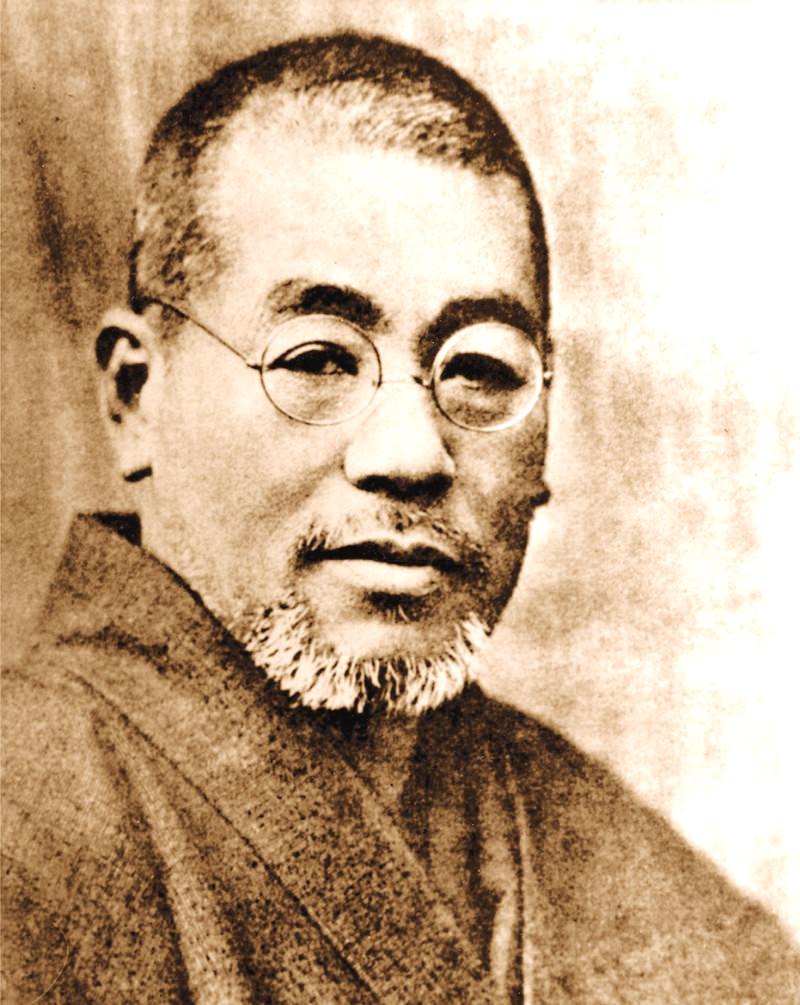
During this time, various spiritual healing methods were collectively known as Seishin Ryōhō (“psycho – spiritual therapies”). Within this context, Mikao Usui developed and established the practice that came to be known as Reiki. However, it is important to remember that he was not the only person practicing it. Rather, he was the one who successfully established an association of practitioners despite the bans imposed during the Meiji era. He passed his teachings on to Chujiro Hayashi, one of his closest students and successors, who in turn taught Hawayo Takata. Takata later introduced Reiki to the Western world, where it continued to grow and evolve.
As Reiki spread across different countries and cultures, it naturally adapted to new contexts and perspectives. Today, there are many different schools and approaches to Reiki practice, each reflecting its own lineage and interpretation.
The Reiki I practice and teach is Traditional Japanese Reiki. Its focus is on restoring balance within the whole human system—physically, mentally and emotionally—supporting the body’s natural capacity for harmony, vitality, and well-being.
Reiki treatments

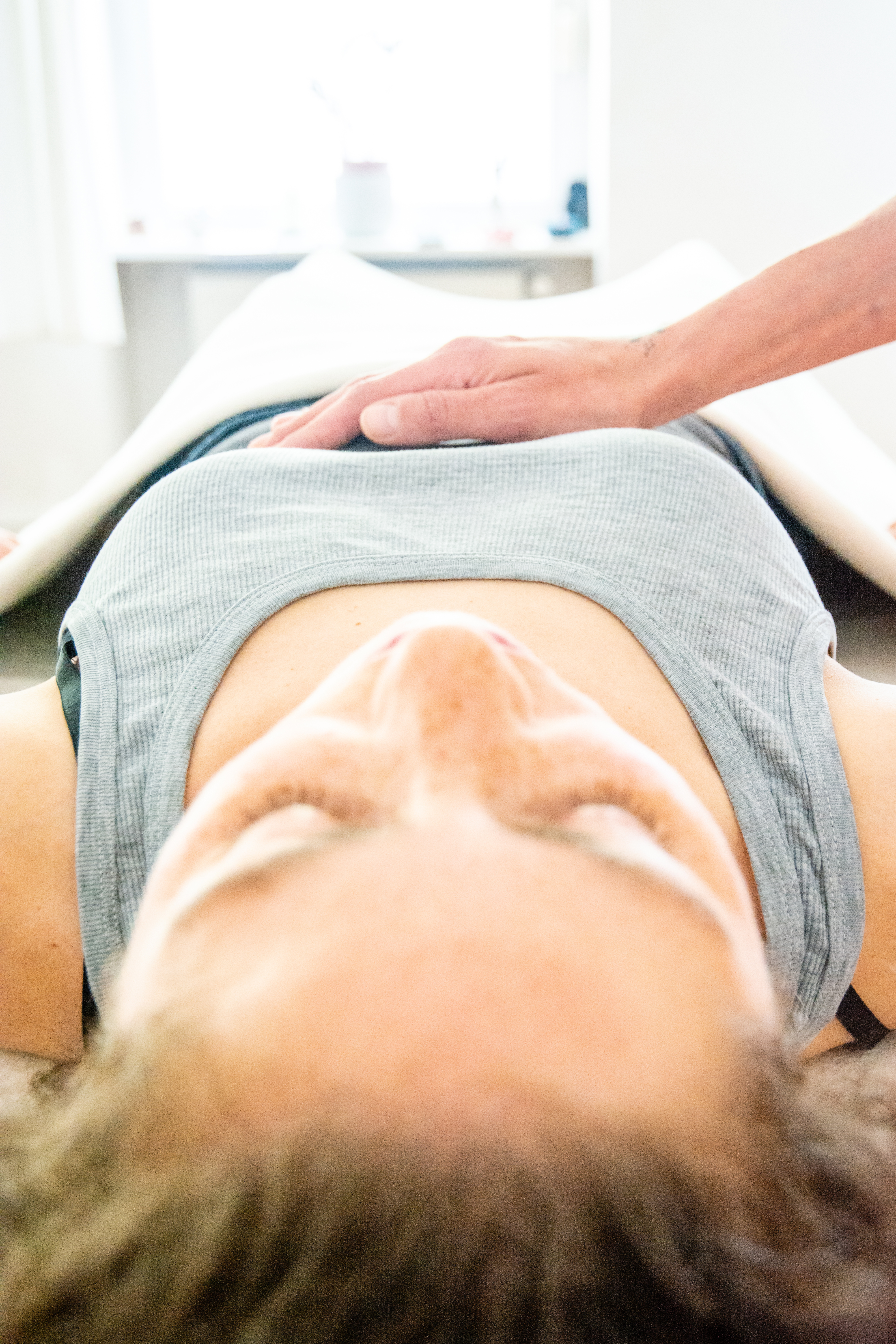
The treatments take place with clothes on. The practitioners’ hands are placed in several body parts, depending on the specific needs of the receiver. Reiki is first of all Shin Shin Kaizen Usui Reiki Ryoho, the healing method for the improvement of the body-mind system.
Reiki is particularly effective in supporting the relief of stress, anxiety, and pain-related conditions, although its benefits extend far beyond these areas. It is equally valuable as a preventive and supportive practice for those who already feel well and wish to maintain balance, vitality, and overall well-being.
Reiki works as a therapy, therefore it could be done both once in a while and regularly for light issues and maintenance. In case of more serious imbalances, a more regular practice is suggested in order to gently support you in the healing process.
This kind of therapy could be done in person or by distance, because Reiki can be practiced through time and space using a specific technique. The results and the effects are the same as the ones of the treatment in person, with the difference that the practitioner and the patient could be everywhere in the world.
Traditional Japanese Reiki Courses
Reiki is, first and foremost, a method of personal development and of supporting the balance of the mind-body system. For this reason, the most important aspect of the practice is working on oneself. Reiki is, above all, a tool we use to maintain our system in a state of balance, health, and well-being.
How I teach Reiki
The Reiki I teach is rooted in the therapeutic method developed by Chujiro Hayashi, with a strong emphasis on understanding and addressing imbalances within the body. My approach is practical, essential, and accessible, focusing on the relationship between body and mind rather than on the spiritual or metaphysical interpretations that became more prominent as Reiki evolved in the West.
My teaching is also informed by the historical and anthropological research on Reiki, including the work of Justin B. Stein, whose research has contributed to a deeper understanding of Reiki’s development, transmission, and transformation across different cultural contexts.
I have also had the privilege of studying with my teacher Federico Scotti, whose anthropological approach and teachings have been an important part of my own understanding and practice of traditional Japanese Reiki.
I keep the practice simple and open to everyone because I believe—and have experienced—that anyone can learn and benefit from Reiki. There is no need to already follow a spiritual path or hold particular beliefs in order to practice Reiki effectively because everyone can simply practice.
I am happy to support you as you learn the techniques and continue your Reiki practice beyond the course. To me, being a teacher means much more than simply guiding students during training. It means being present over time—supporting consistency, encouraging personal development, and accompanying you as your practice naturally grows and deepens.
I Level Reiki Ryoho Shoden 初伝
The First Degree Reiki course provides a solid and comprehensive foundation in both the theory and practice of Traditional Japanese Reiki. You will learn the essential techniques that form the basis for further Reiki study while also giving you everything you need to begin a personal practice for self-care, balance, and therapeutic support. No previous experience is required.
- 2 Days ( Saturday and Sunday – from 10 AM to 6 PM)
- 16 h
- Location: Olistica Akasha Home Studio
- Price € 190
To reserve your place, a non-refundable deposit is required at the time of booking. If you need to cancel, the deposit will be fully refunded if you provide at least one week’s notice before the course. For cancellations made with less than one week’s notice, the deposit will be transferred to a future course. - Detailed Program
DAY 1: Reiki Origins and History, Seishin Ryōhō, Kokoro, What is Traditional Japanese Reiki, Gasshō seishin toitsu, 3 Reiki pillars, Munen Musō, Self-treatment technique and Treatment on others
DAY 2: Energy Medicine and Traditional Japanese Reiki, Explanatory models of disease, Traditional self-treatment, Traditional treatment on others, Treatment for chronic disease, Byosen, the Gokai: The 5 Reiki Principles, Shudan Reiki and Mawashi Circle. - Courses Dates
7/8 November 2026
23/24 January 2027
II Level Reiki Ryoho Chuden 中伝
The Second Degree Reiki course is open to students who have completed the First Degree and have maintained a regular personal practice for at least three months. This period allows you to build a solid foundation before moving on to the deeper teachings and techniques introduced at this level.
The Second Degree expands both your theoretical understanding and your practical skills, providing a broader range of therapeutic techniques for working with more specific physical, mental, and emotional imbalances.
At this stage, the practice also extends beyond self-treatment to include working with others. You will learn methods for supporting mental and emotional balance, additional preparatory techniques, the use of the Shirushi (Reiki seals), and distance Reiki treatment.
- 2 Days ( Saturday and Sunday – from 10 AM to 6 PM)
- 16 h
- Location: Olistica Akasha Home Studio
- Price € 360
To reserve your place, a non-refundable deposit is required at the time of booking. If you need to cancel, the deposit will be fully refunded if you provide at least one week’s notice before the course. For cancellations made with less than one week’s notice, the deposit will be transferred to a future course. - Detailed Program
DAY 1: Dynamic Tecniques ( Uchite Chiryo Ho, Nadete Chiryo Ho, Oshite Chiryo Ho ), Tanden Chiryo Ho, Heso Chiryo Ho, Zenshin Ketueki Kokan Ho, Therapeutic Plan development, the 3 shirushi (or Reiki Seals known as symbols), learn to trace and recall shirushi
DAY 2: Exercises with shirushi, Mental treatments, Seiheki Chiryo Ho (treatment for eliminating addictions and bad habits), Hatsurei Ho, Enkaku Chiryo Ho (distance treatment). - Courses Dates
27/28 February 2027
III Level Reiki Ryoho Okuden 奥伝
The Third Degree Reiki course is open to students who have completed the First and Second Degrees and have established at least three months of consistent practice at the Second Degree level.
This final step of your therapeutic training introduces advanced techniques and supports you in developing a deeper understanding of Reiki as a therapeutic method. You will learn how to establish a more precise assessment of a person’s condition and how to create a personalised therapeutic approach by integrating all the knowledge and techniques acquired throughout the different levels.
This level completes the professional therapeutic training and provides the foundation required to work as a Reiki practitioner.
You will also learn the fourth Shirushi (the Master Symbol). Although it is often associated with the title of “Master,” this name can be misleading, as reaching this level does not mean that you are automatically a teacher. In Traditional Japanese Reiki, the teaching qualification is achieved through a separate Fourth Degree course, which represents the highest level of education within the system.
1 Day ( Saturday from 10 AM to 6 PM)
8 h
Location: Olistica Akasha Home Studio
Price € 480
To reserve your place, a non-refundable deposit is required at the time of booking. If you need to cancel, the deposit will be fully refunded if you provide at least one week’s notice before the course. For cancellations made with less than one week’s notice, the deposit will be transferred to a future course.
Detailed Program
DAY 1: Reiji: Diagnosis in Traditional Japanese Reiki, Byosen Reikan Ho, Reiji Ho, Hanshin Chiryo, Advanced Treatment techniques, Dai Ko Mio: 4th shirushi, Open Reiju
Courses Date
will be published in 2027
Info and subscription at olistica.akasha@gmail.com